

Why Rethink Waste?
We get it-waste isn't always the hottest topic... but waste issues greatly impact us both globally and locally.
- Care about conserving our beautiful local ecosystems? Remember that all of your stuff comes from nature. Reducing, reusing, and recycling can all help prevent the harvest of raw materials from the environment.
- Concerned about food insecurity? 1 in 10 Central Oregonians do not have reliable access to healthy food. Tackling food waste can help us keep food out of the landfill and in the hands of those who need it.
- Worried about climate change? The methane emissions from US landfills is equivalent to the greenhouse gas emissions of 24 million cars on the road for one year. We can lower these emissions by keeping items, in particular food waste, out of the landfill!
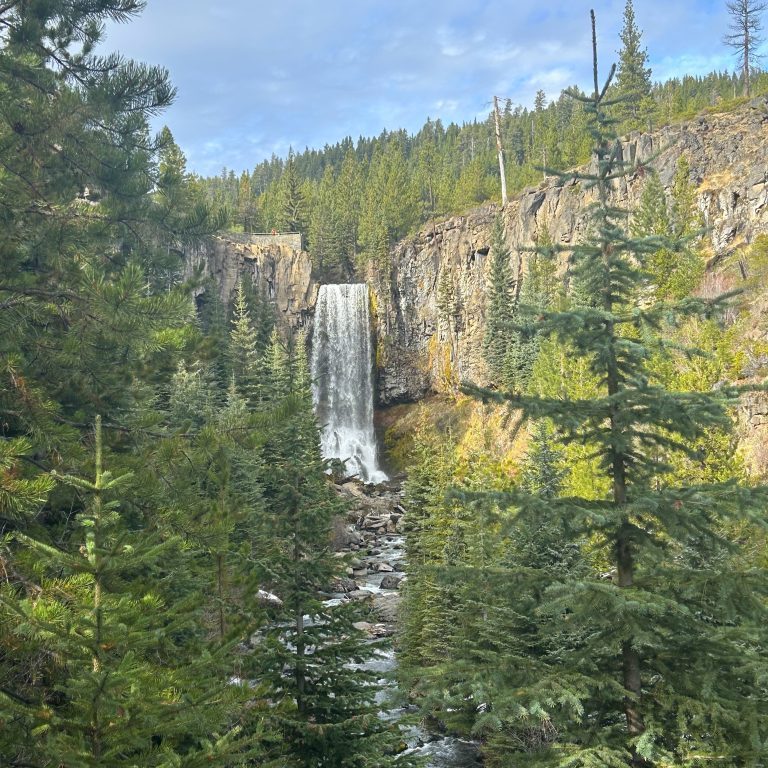
Rethink your relationship with stuff. Remember that everything you use, from your electronics to your clothing, comes from nature. Reducing your consumption helps preserve the natural resources we Oregonians know and love. Before you buy something, think "do I really need this?"
Upstream Impacts
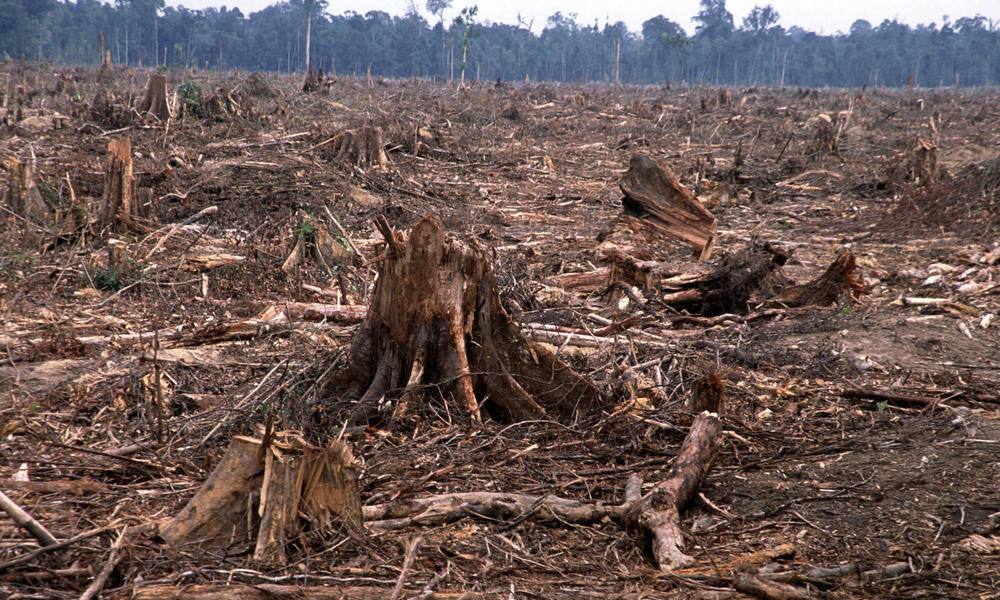
When we think about how waste impacts our environment, we often imagine the image on the right- a pile of trash in the landfill or plastic pollution tangled on a sea turtle's shell. While these downstream impacts are devastating, it is actually the upstream impacts that have the biggest impact on the environment.
- Upstream impacts are the environmental impacts resulting from the production and transportation of our stuff before it makes its way to us, the consumer.
- Includes harvesting of raw materials, like cutting down trees for lumber or mining for elements used in our electronics. These extractive processes harm wildlife, ecosystems, and human communities.
- Includes the manufacturing and transportation of our items- processes that release greenhouse gases, contribute to climate change, and pollute our air and water.
Downstream Impacts
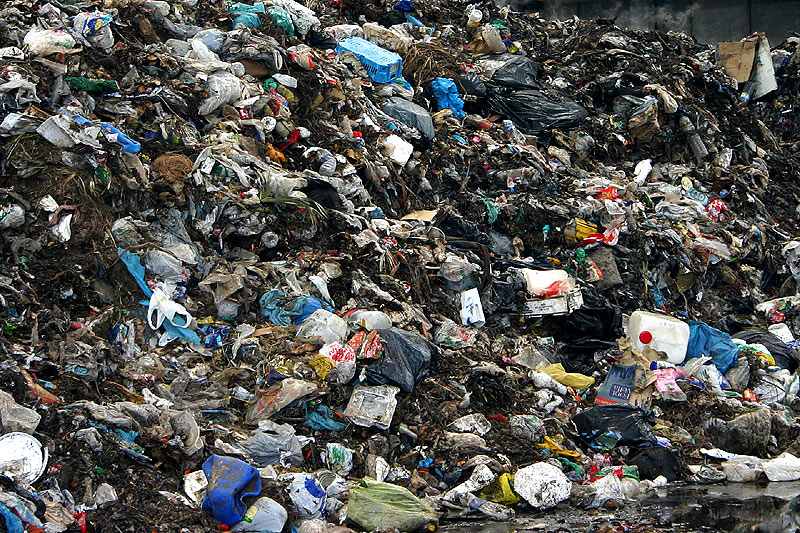
Downstream impacts are what we typically think about when we consider waste- what happens to our stuff when we throw it "away"? Impacts include:
- The environmental impact of landfills, such as greenhouse gas emissions, air pollution, and ecosystem degradation.
- Social injustices & inequities. For instance landfills, which can leak toxins to surrounding communities, are disproportionately located in communities of color in the U.S.
- Waste that is not properly disposed of and ends up as "litter", polluting communities and ecosystems (think Great Pacific Garbage Patch).
- Energy and water-intensive processes involved in managing waste-even recycling is energy intensive.