Mending More Than Stuff: Building a Repair Community
Written by: Udara Abeysekera Bickett
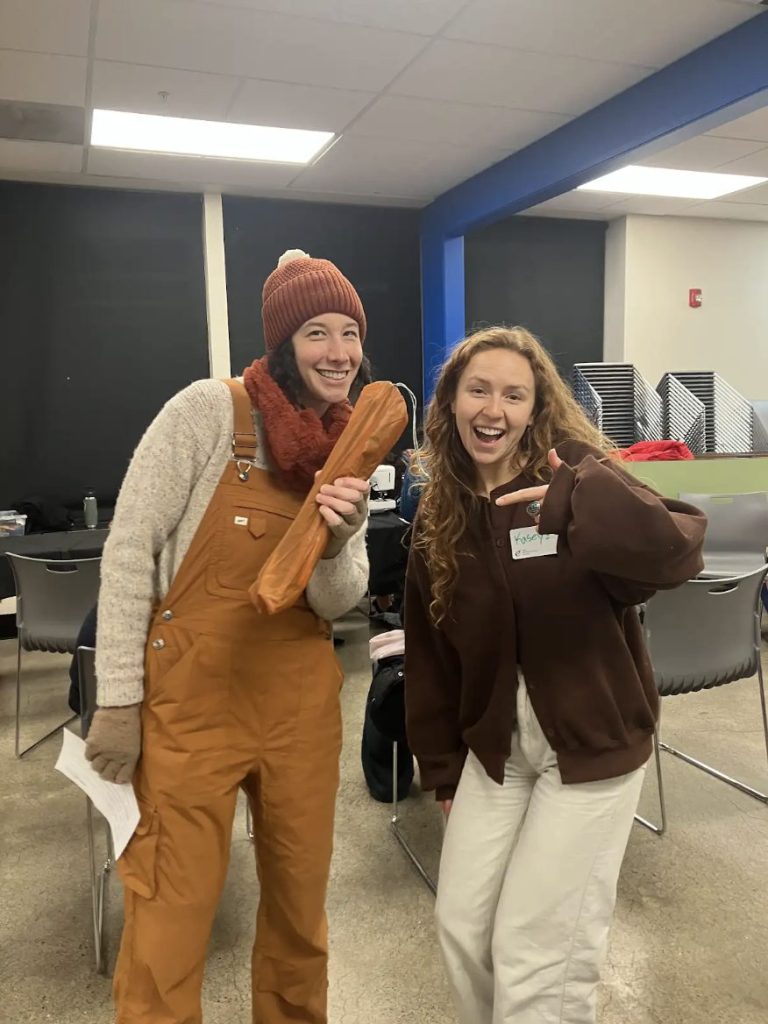
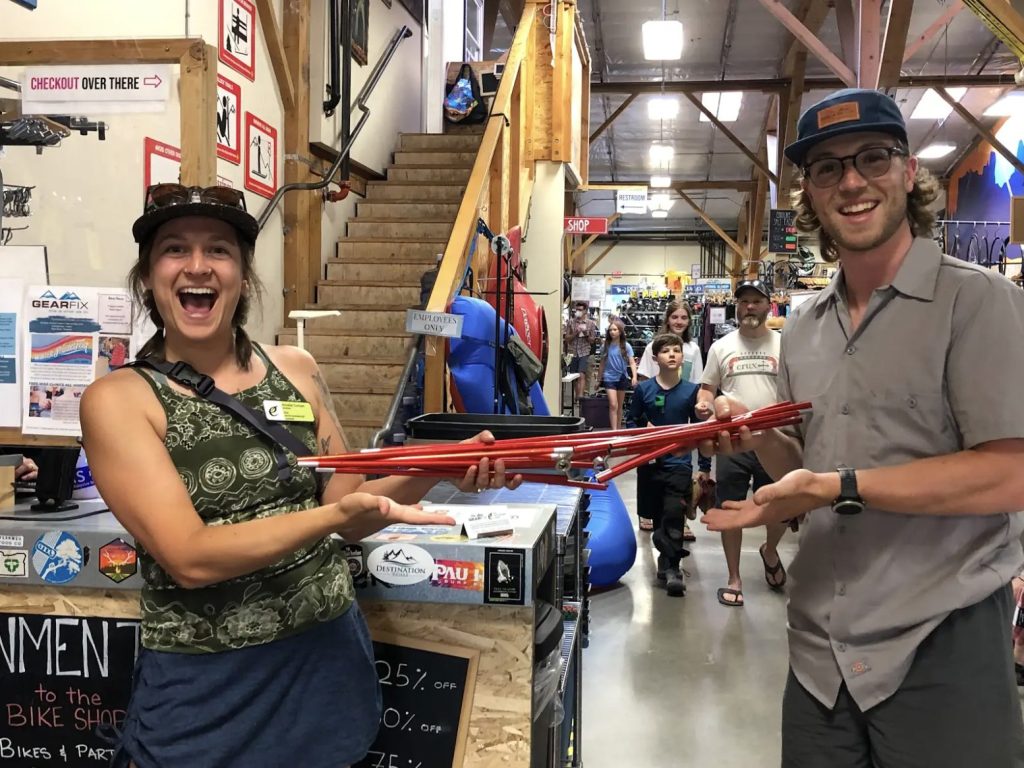
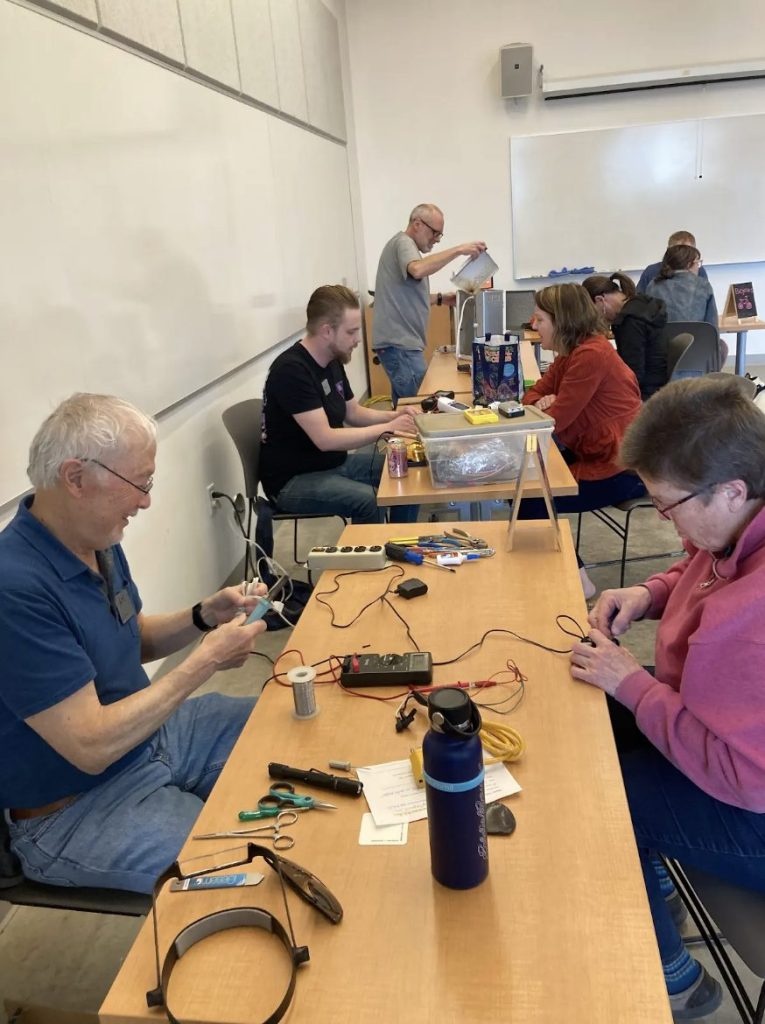
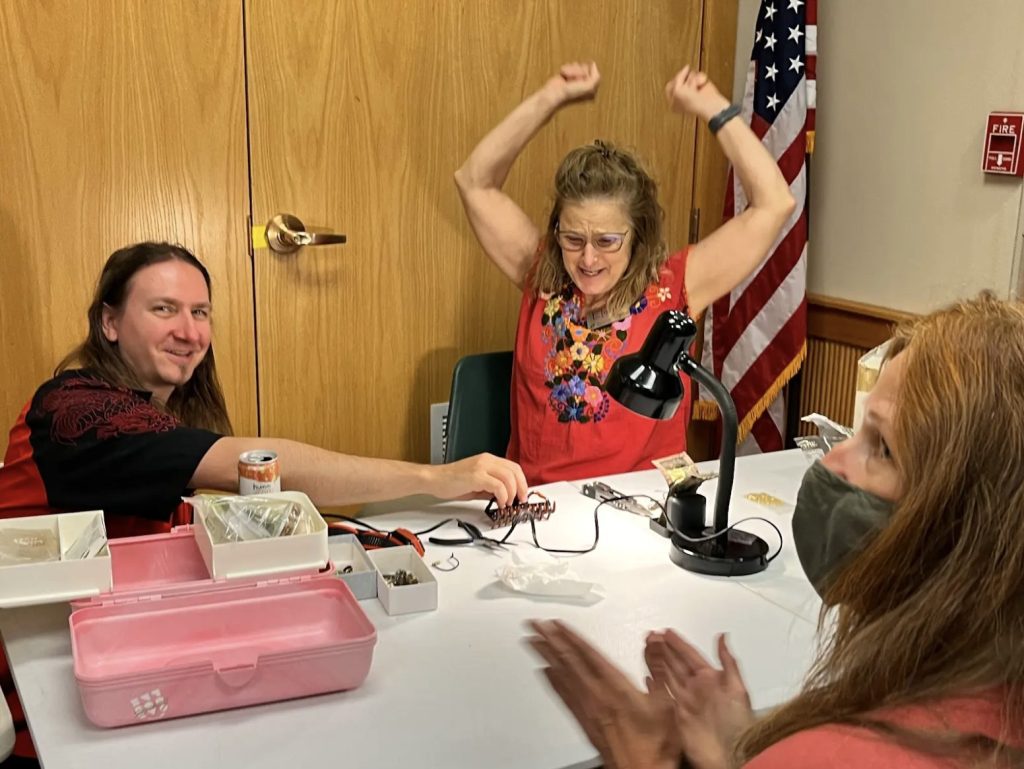
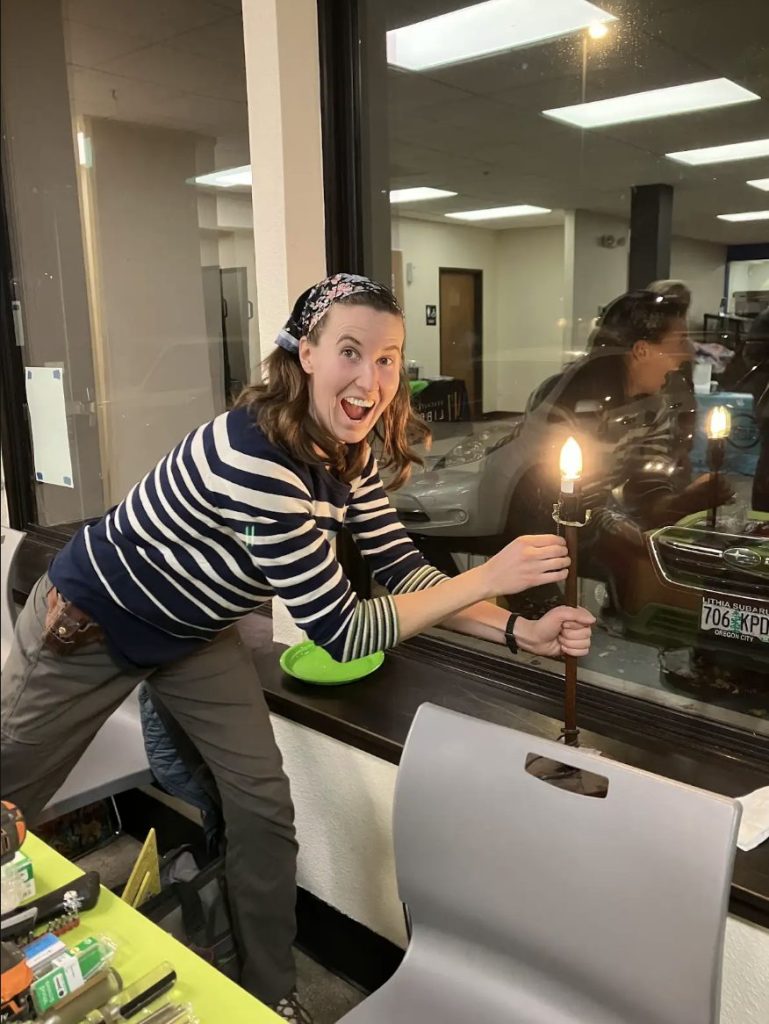
Picture a room full of sewists, jewelers, electricians, and woodworkers fixing broken stuff and sharing their skills and passion for repair. You hear the hum of sewing machines, the buzz of a solder, and the occasional joyful shout of “It works!” As you wait your turn, you see some familiar faces – your neighbor brought in a beloved lamp and your favorite barista brought in a toaster that doesn’t pop anymore. A friendly fixer volunteer calls your name and you spend the next 10 minutes with them exchanging memories of your favorite outfits while they mend a tear in your beloved jeans. When you leave the event, your jeans weren’t just repaired, you even learned how to mend it yourself next time. That’s the spirit of Repair Cafés!
Central Oregon Repair Cafés are part of a global movement bringing together community skills and resources to fix things rather than throwing them away. Since 2013, The Environmental Center has hosted 38 Repair Cafés across Deschutes County. The most recent Repair Café here in Central Oregon brought together 18 fixer volunteers that repaired 56 items and offered DIY instructions for another 11 items. This was a record number of fixer volunteers repairing a record number of items.
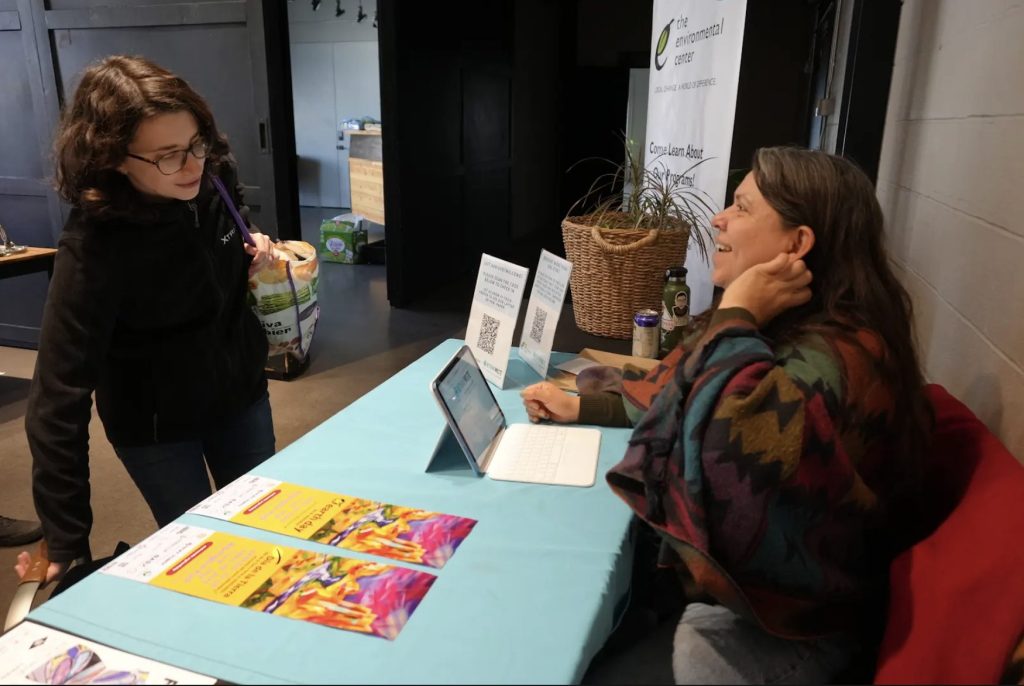
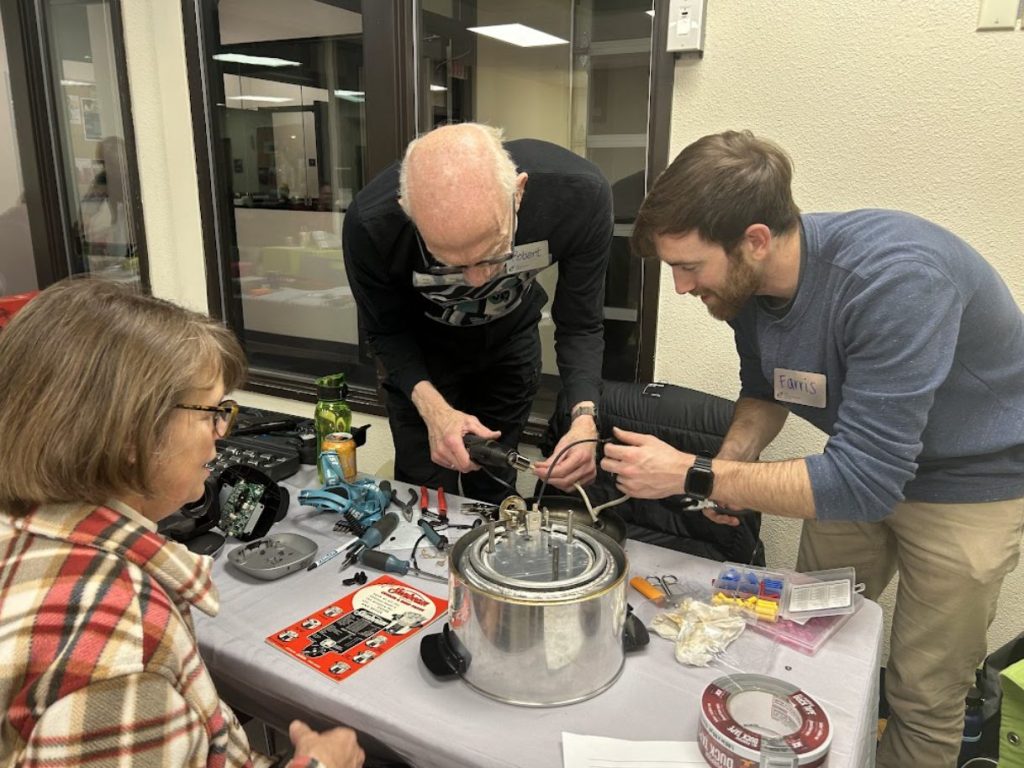
I’ve watched this event grow to the community it is today following a brief pause during COVID when we couldn’t gather in person. Today, the fixer volunteers include folks that were part of the earliest Repair Cafés, alongside many new faces. Each fixer spends about 15 minutes working through a repair and talking you through the repair process. To give you a glimpse into this community, I chatted with a few fixers to share their Repair Café stories.
Heidi, Elaine, Russell, and many other fixers each bring their own skills and perspectives – and the community keeps growing. As fixer specialties expanded in 2022, it became clear we needed a way to help people figure out where to go when they walked in with a broken item. That’s how the diagnostics table began.
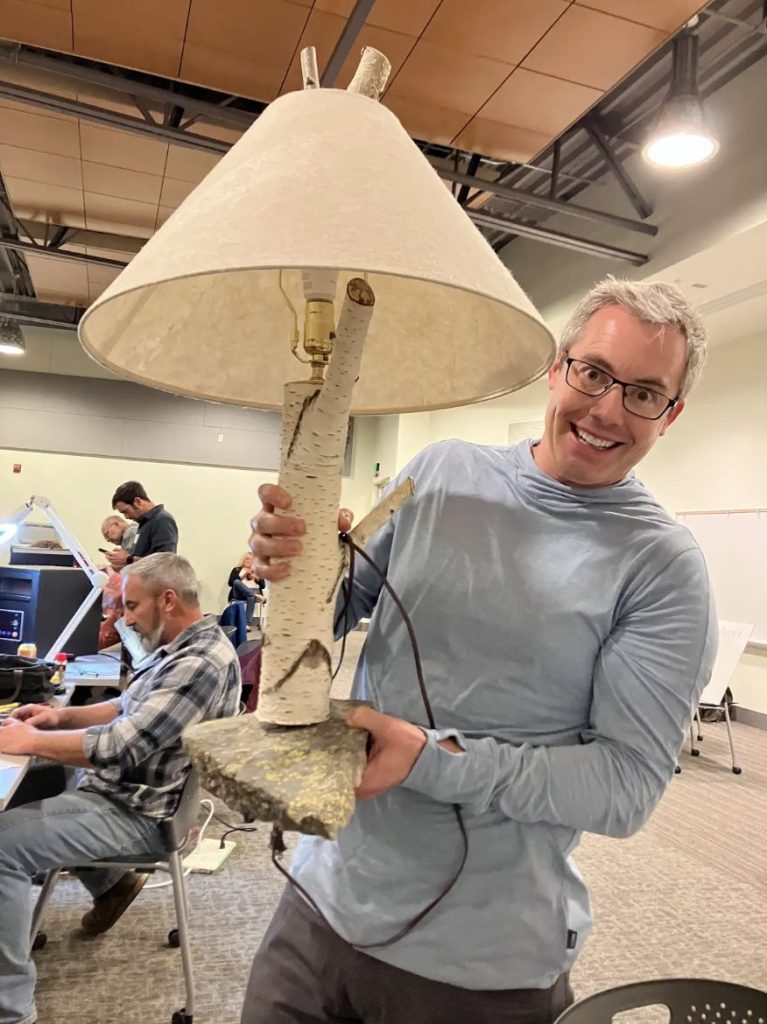
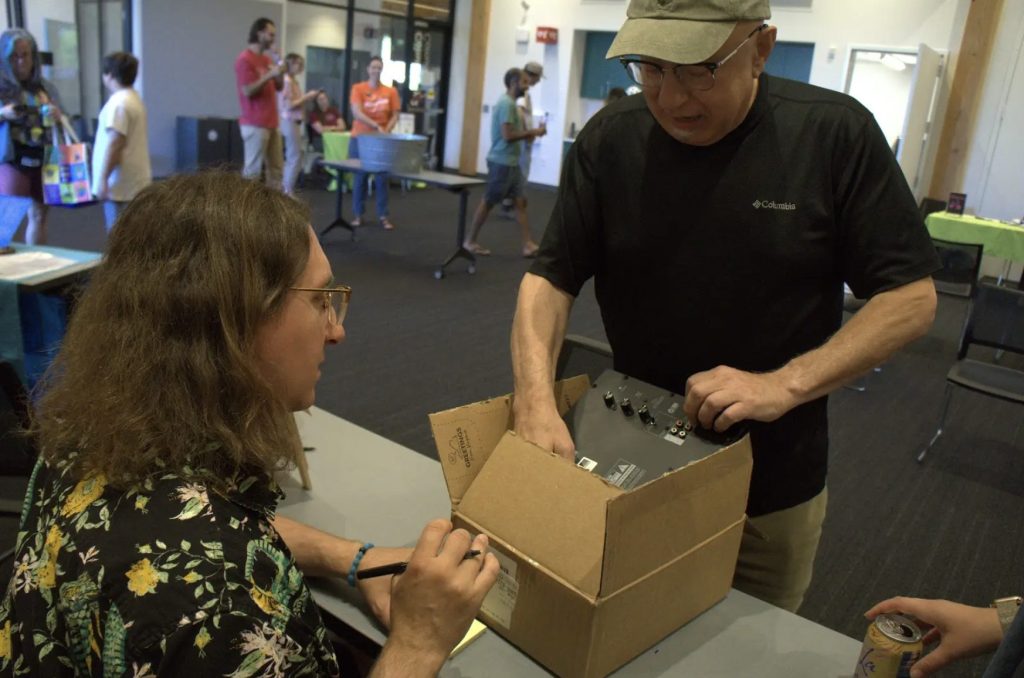
The past few years, Russell has been the lead volunteer at the diagnostics table. Russell, a lifelong maker with a Masters in Architecture who is passionate about upcycling, founded Reuse All Detritus in 2021. Following a landfill tour organized by The Environmental Center, Russell learned about Repair Cafés and joined the fixer team in 2022. Russell’s broad set of skills allows zem to look at a broken thing and figure out which fixer station it should go to. “Part of that is getting to know fixers and their specialty – like you’re not only going to sewing, but also the zipper expert,” Russell explained. “Word got out that we’re good at lamps and we are seeing many more lamps! Cords and switches are very fixable – you can replace them and all electronics fixer volunteers can do it. Once, we had a lamp from the 1900s with duct-taped cords that needed to be replaced. Amazingly, it hadn’t started a fire!”
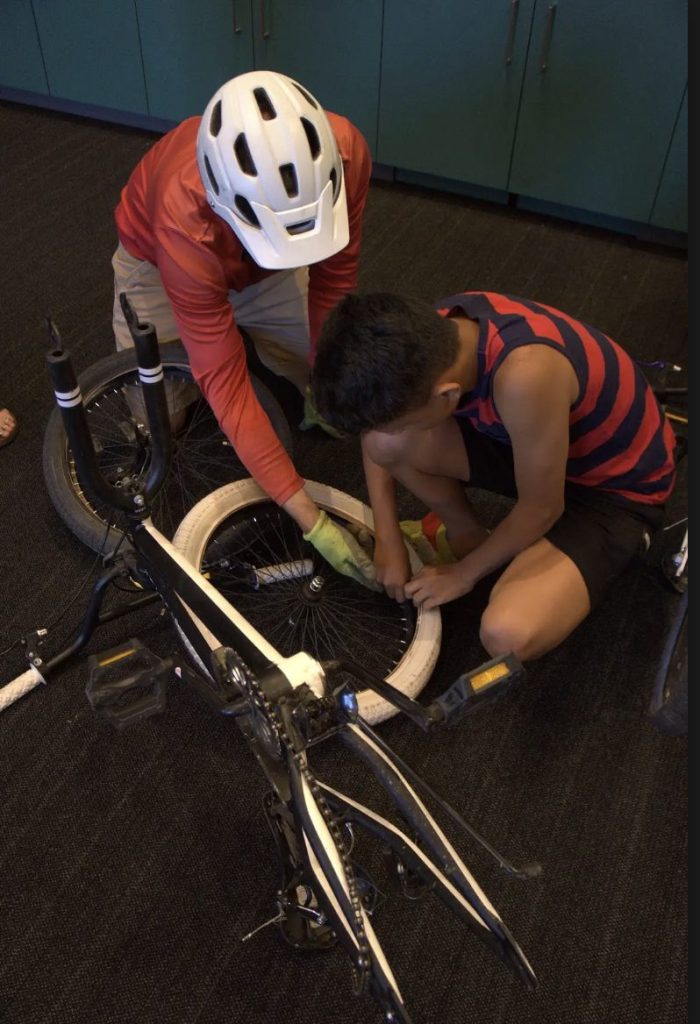
The diagnostics table is also an opportunity to connect with attendees about rethinking our relationship with stuff. Sometimes attendees will bring in something that can’t be fixed and “people need verification that it’s okay to throw it out.” In these moments, Russell is eager to share upcycling ideas, suggest local specialists for tricky repairs, describe ways to dispose of it responsibly, and even recommend options for preventing waste in the future – like searching for a replacement item at a specific thrift store.
Russell emphasized that the social aspects of Repair Cafés are really important and people might not realize it matters. Ze described it as “a safe space to socialize with friendly people who understand why you don’t want to throw something out. Some people will come to every Repair Café – they find something to bring to talk and hangout with like minded people. It’s part of what keeps me coming back.”
Russell isn’t alone in feeling drawn to the Repair Café’s sense of belonging. Elaine, another longtime fixer, echoed the importance of these connections. She’s noticed that Repair Cafés often attract people who are learning to tackle repairs on their own – sometimes after big life changes. “I tend to see more widowed people attending to get support for the tasks that their partner was doing,” she shared. “Repair Café allows people in that situation to find support.”
These connections are what seems to keep Elaine coming back. A Repair Café volunteer since 2022, she’s always the first person to volunteer for other repair demos and workshops we host as well. Elaine, who’s been hand sewing, darning, and fixing jewelry since she was a kid, is the Assistant Executive Director at School of Ranch. “I fix because I like to keep things out of the landfill and share my skills with others at Repair Cafés. For myself, I like to mend and repair things because I often have history or sentimental attachment to many of the things in my home and I was taught to take pride in making them last.”
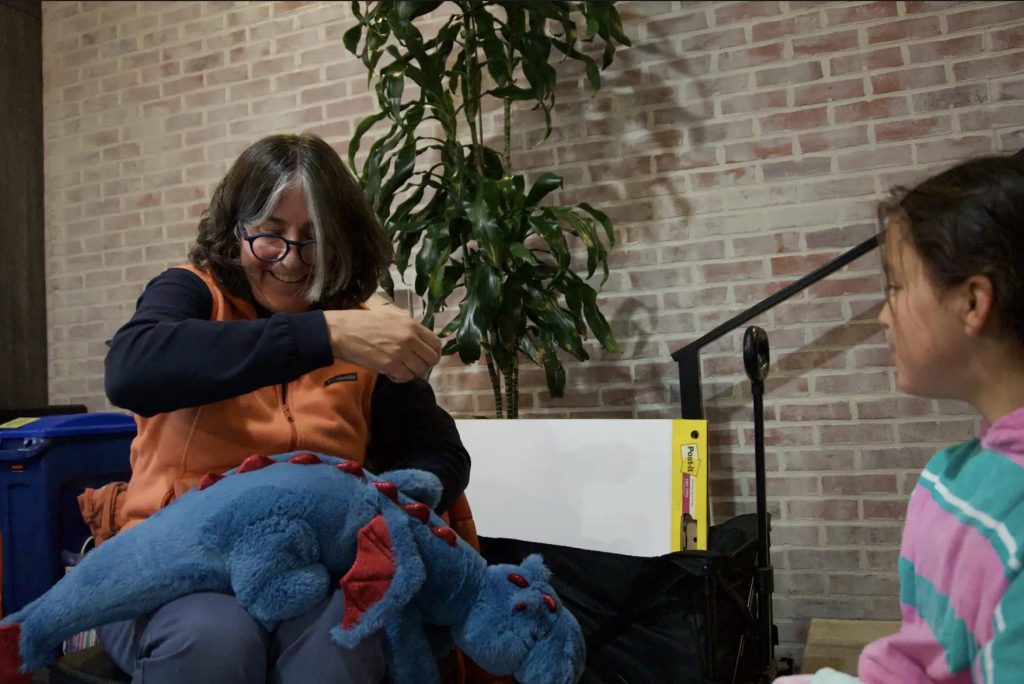
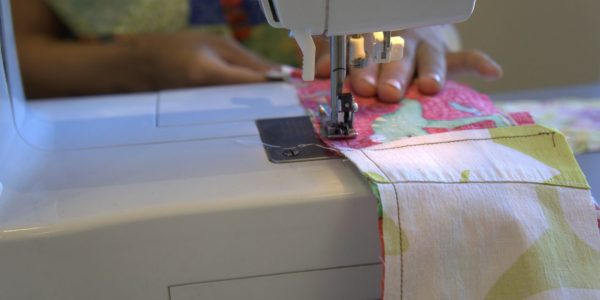
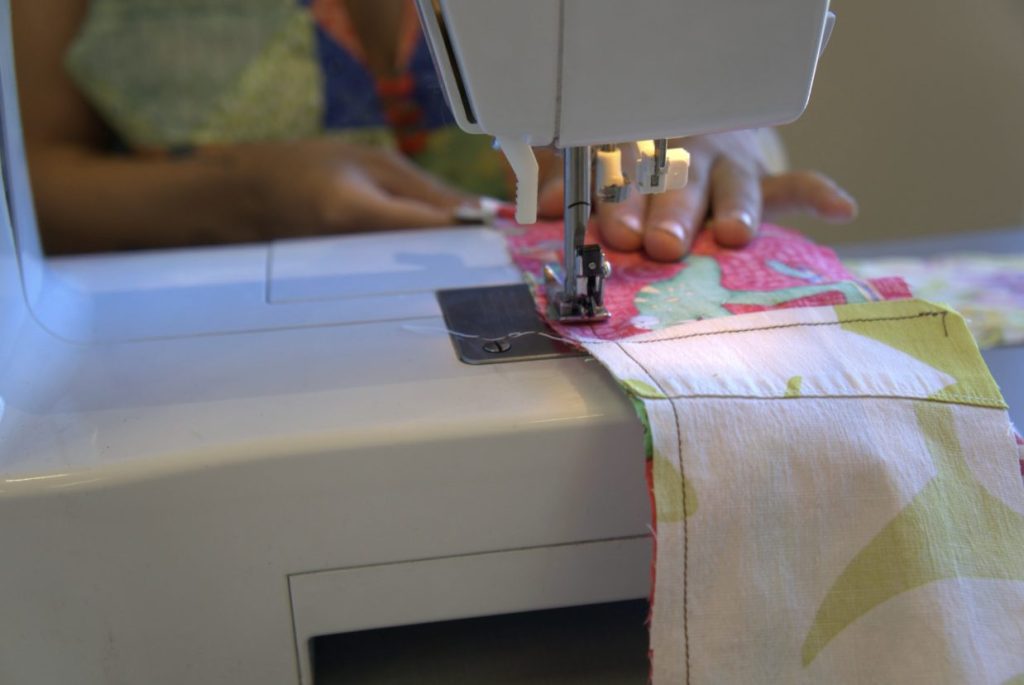
At Repair Cafés, you will often find Elaine at the sewing station with her family’s darning egg – a tool and tradition that was passed down to her from her mother. Her favorite moments include helping kids with injured stuffed animals (always with names!) and offering items to keep them busy while she works on their grownup’s repair. With a laugh, she recalled a kid that was fascinated with her thread tin. She’s also worked on meaningful heritage items, like a vintage family ottoman that needed upholstery repair. Elaine gave me a glimpse into how fixers strategize more complex repairs, “it’s a dance depending on if no one is waiting for a repair versus sometimes there is a line of three people waiting. We have to have some self awareness of how much time the repair is going to take.” She described feeling like she is part of a “fixer cohort that is so fun and welcoming. I just love being part of that group. I love getting a new perspective or working on it together.”
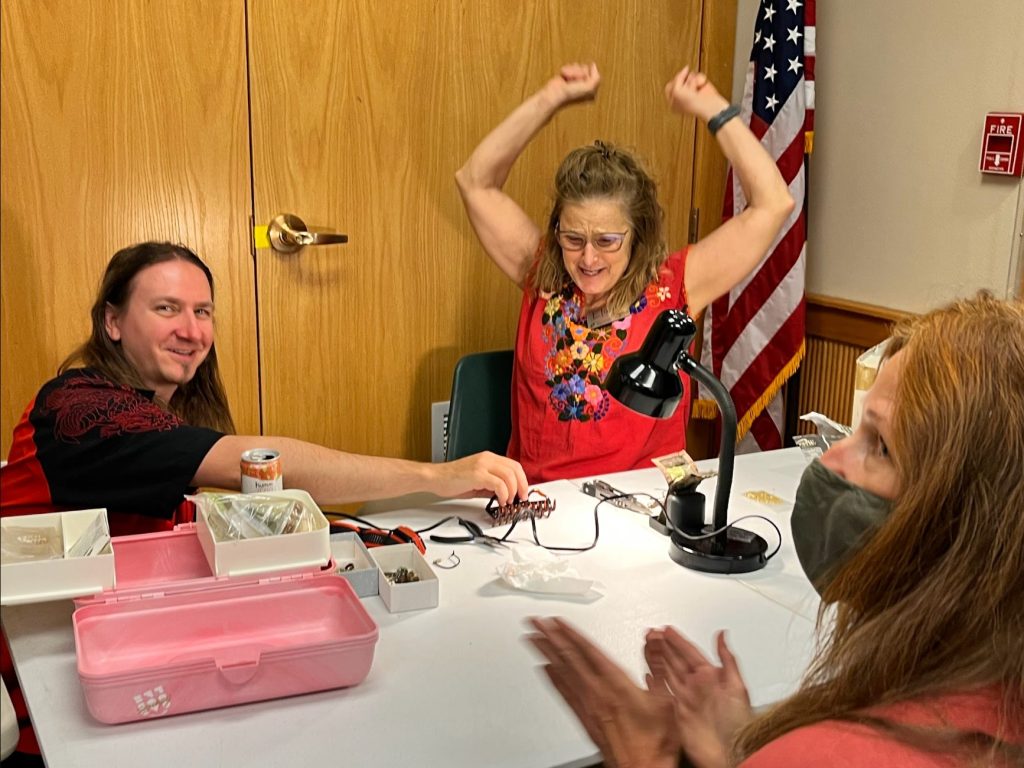
Fixers Russell and Elaine at the 2022 Repair Café at the Sisters Library
That sense of teamwork draws new volunteers in, too. One of the newest members of the fixer cohort, Heidi, jumped right in at her first Repair Café this April. She described it as “a team effort among fixer volunteers with different skills and ideas about how to approach a fix. I sent someone to a fixer with a sewing machine and, oh! I hadn’t thought of using a patch for that!”
Heidi, who works for the City of Bend and is a volunteer on the Deschutes Historical Museum Board, says “I just love the idea of repairing and fixing things to get as much life out of something as possible. It is what we try to do at our house whenever possible.” After her first Repair Café, Heidi fondly recalled “all the grateful faces when I was able to complete a repair. Everyone was so happy and grateful and it made me feel so happy!”
Stories like these are why Repair Café continues to thrive. Each event is a mix of familiar faces and new friends, all working together to keep our community (and our favorite things) going strong. This isn’t just a fix-it event, it’s a community coming together to foster a different, more thoughtful relationship with our stuff. Don’t just take my word for it – if you have a skill, join us as a fixer volunteer by applying here or if you have a broken item, bring it to the next Repair Café August 26th 5-7pm at the Central Library in Bend. Sign up for the Rethink Waste newsletter here to stay updated on upcoming events.