Energize Bend
Energize Bend is a coalition of partners in Central Oregon working to advocate for electrification infrastructure in Bend. As a coalition, we do this thorugh community outreach, education, and policy advocacy at the local level. As co-founders, The Environmental Center (TEC) is a fiscal sponsor of this coalition, working with our community partners as well as TEC staff to progress policies that advocate for electricity over natural gas.
How are we electrifying Bend?
Community Engagement
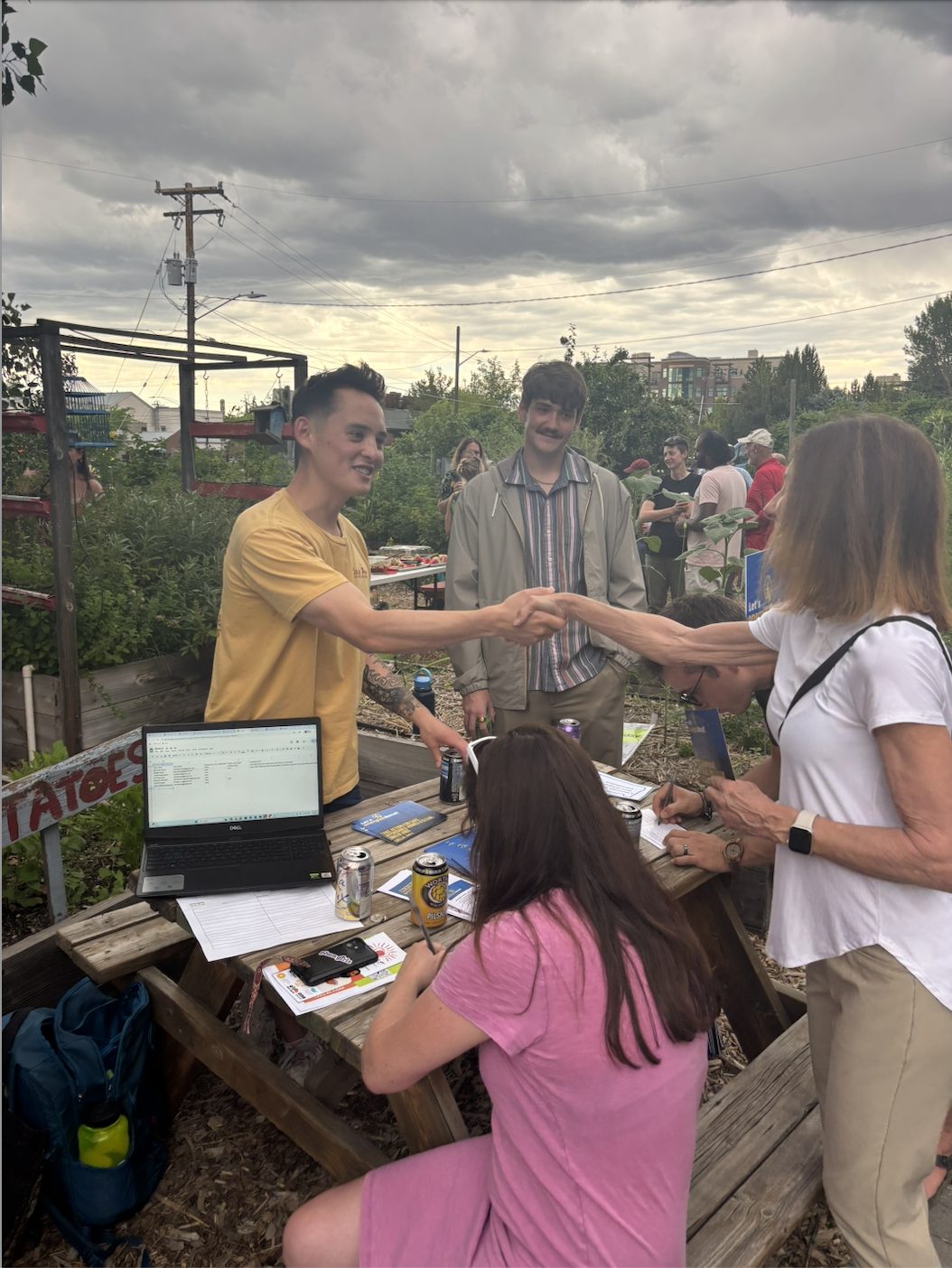
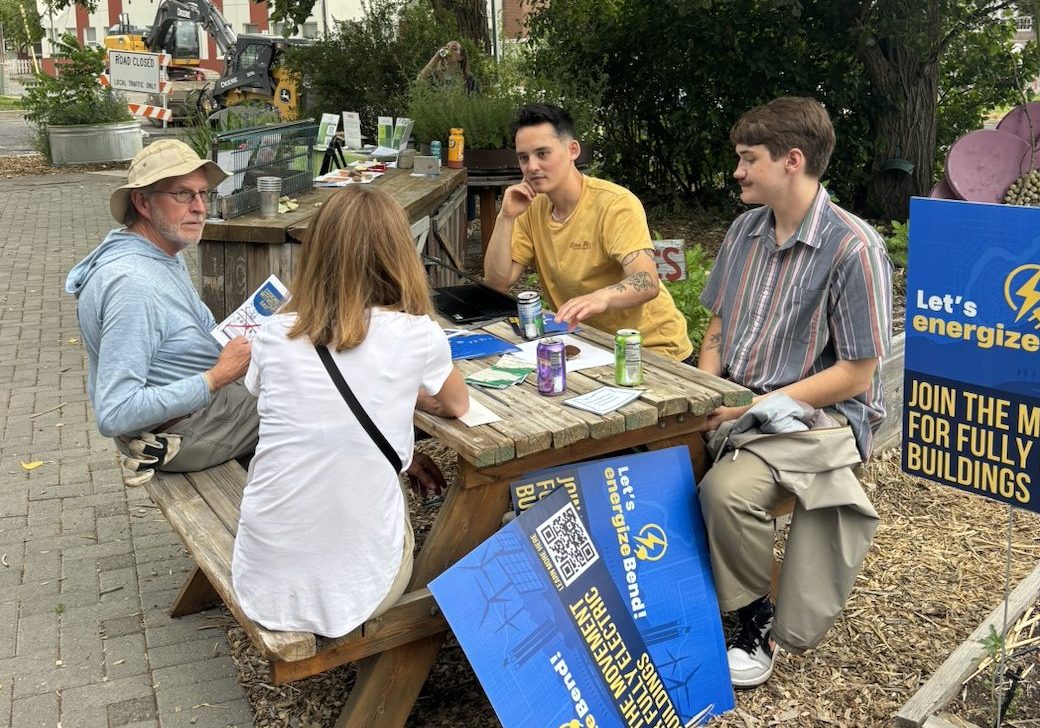
Through tabling at events, canvassing in neighborhoods, and showing up to community meetings, we are building a presence of electrification in Central Oregon. We engage with the community to power the green energy transition and answer any and all quetsions about how electrification can provide cleaner air, lower utility bills, and create a safer climate.
Education
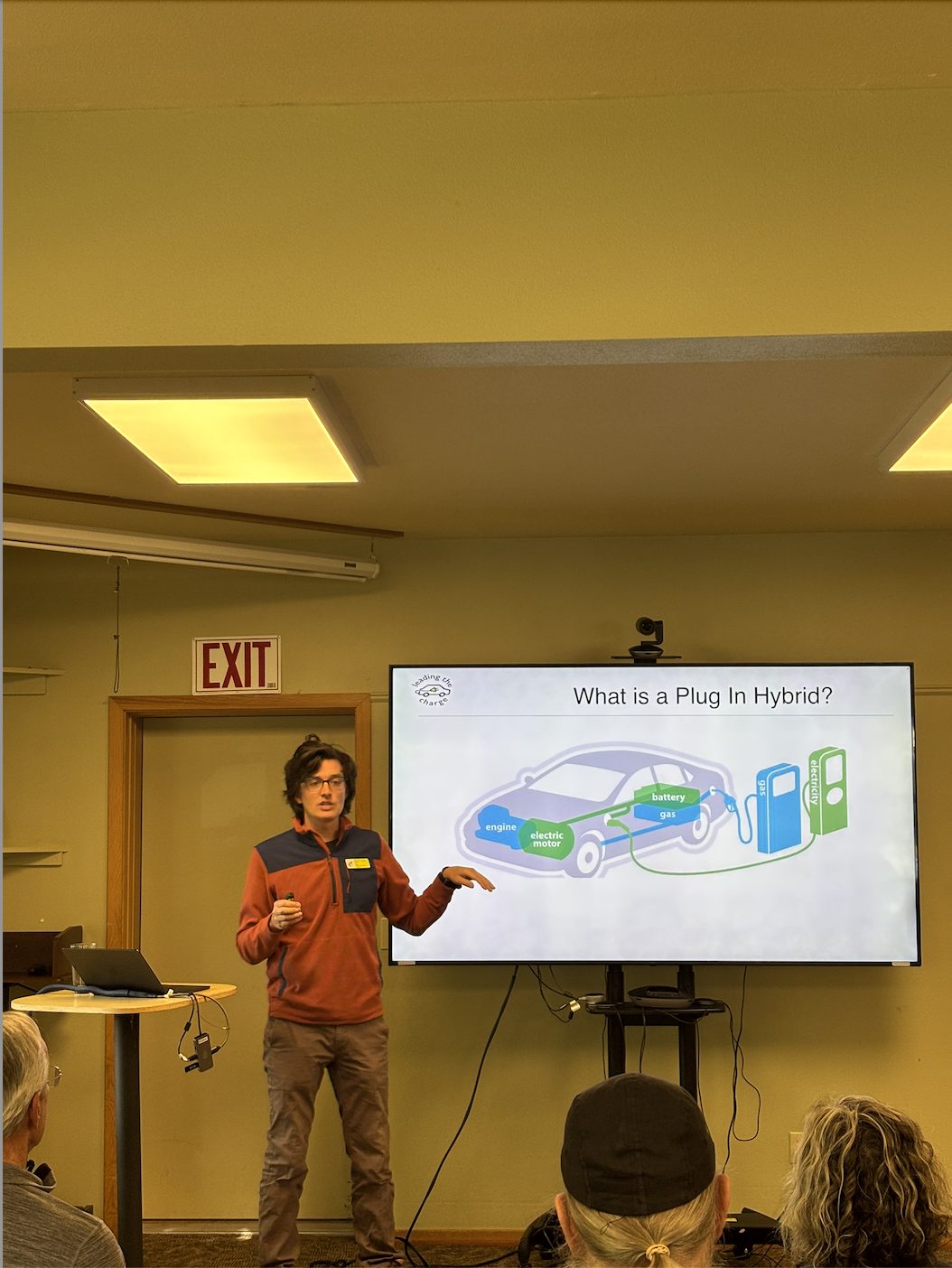
Most people have no idea natural gas is bad for the planet and bad for their health. We stay updated on the latest science related to renewable energy and strive to provide resources to community members so they can make informed decisions about their homes and their health.
Advocacy
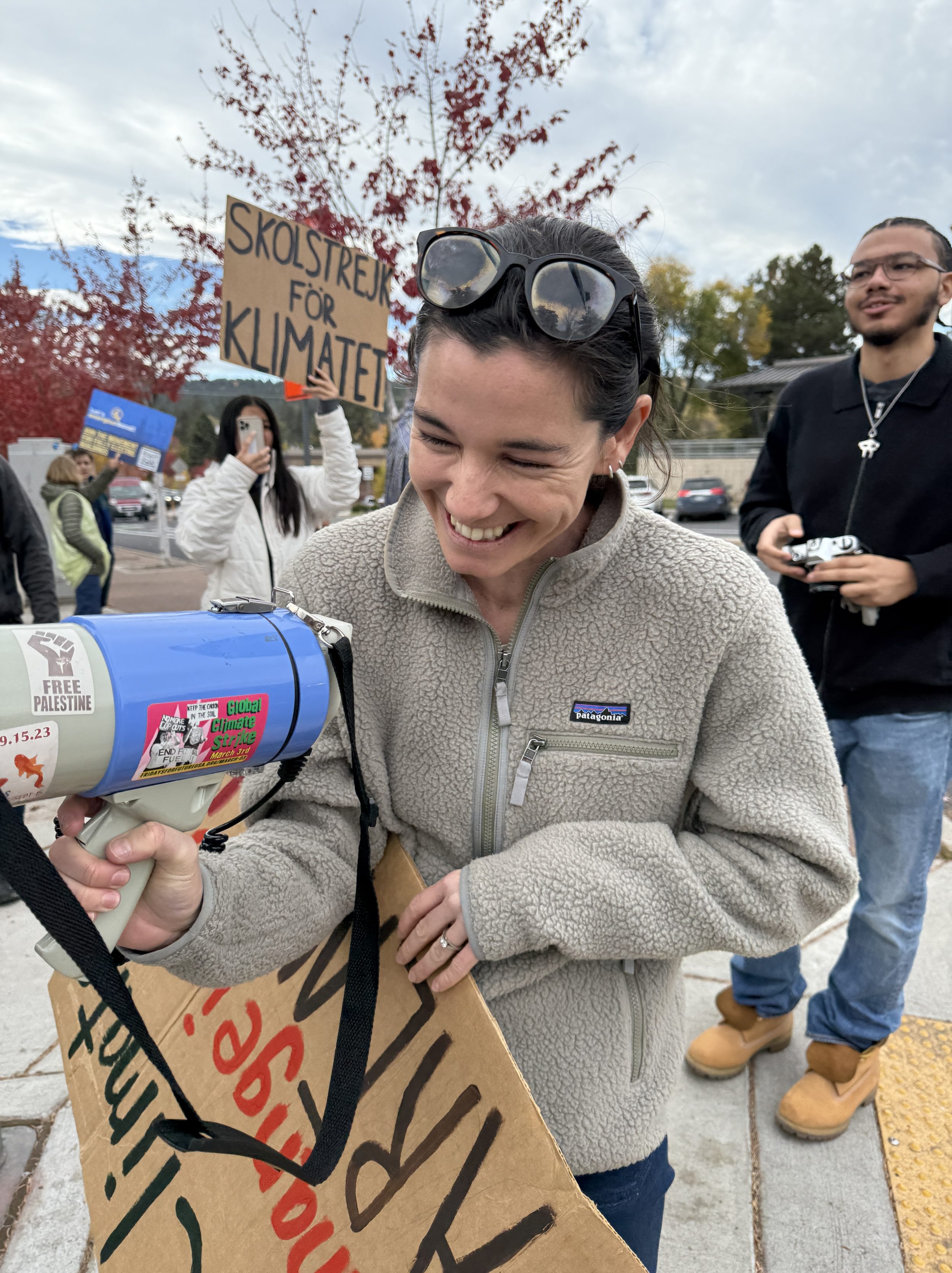
Our team advocates for electric policy at the local and state level. From sitting in on City Council meetings, providing expertise on electrification, or going to Salem to lobby at the capitol. Our policy team works hard to make sure the laws in place benefits the people of Central Oregon. As a coalition we are advocating for policies that allow Oregonians to have healthier homes, lower utility bills, and a future for all of us.
Natural Gas Quick Facts
What is Natural Gas?
Natural gas is a fossil fuel composed primarily of methane (CH₄), a potent greenhouse gas—even more effective at trapping heat in the atmosphere than carbon dioxide. Commonly used in homes and apartments for heating, water heating, and cooking on gas stoves. While natural gas burns more cleanly than coal or oil, it is still a fossil fuel, and burning it releases carbon dioxide (CO₂), contributing to climate change.
How much will I save if I go electric?
On average, new all-electric homes cost $1,600 less to build than homes with natural gas and save families about $192 per year on energy bills. Cascade Natural Gas is also seeking to increase rates on residential customers by 17.4% starting in 2027, which will increase gas bills by $132 per year. (source)
Why don’t we focus on solar on top of homes instead?
Bend needs to build around 16,000 homes in the next 8 years (source). Building new homes smart from the start with all-electric appliances is one of the lowest hanging fruit available to ensure low energy bills. Unlike putting solar on an existing house, removing fossil fuels from a home that’s already built is expensive and disruptive. That said, combining rooftop solar with all-electric homes will save homeowners and renters the most money on their bills.
Why is Natural Gas bad for people?
Burning natural gas in your home — such as cooking on open-flame stoves or using gas appliances — releases nitrogen dioxide (NO₂), carbon monoxide (CO), and particulate matter (PM). These pollutants can irritate lungs and worsen asthma, especially in children and people with respiratory issues. Studies show that homes with gas stoves often have higher indoor pollution levels, sometimes exceeding outdoor air quality standards when ventilation is poor.
Health impacts are not felt equally.
Low-income and marginalized communities are often at higher risk because they’re more likely to live in older buildings with poor ventilation, aging gas appliances, or limited access to electric alternatives. These communities also face greater cumulative exposure to pollution from multiple sources, making the health burden of gas appliances even more severe.
Why is Natural Gas bad for the planet?
When released unburned — through leaks during drilling, transport, or use — methane warms the planet about 80 times more effectively than carbon dioxide over 20 years. Even small leaks can have a big impact on climate change. Burning natural gas produces carbon emissions, and 30% of Oregon's carbon emissions come from commercial buildings and homes.
What about the grid?!
We are facing real grid reliability challenges, especially during prolonged cold weather events. It is important to remember the vast majority of gas heating systems rely on electric fans, controls, and pilot lights to operate, and will not function during a power outage. The most readily available solution we have to make sure the lights stay on in our homes is cutting off large, power-hungry customers like data centers (source)
Coalition Partners